
Game Introduction
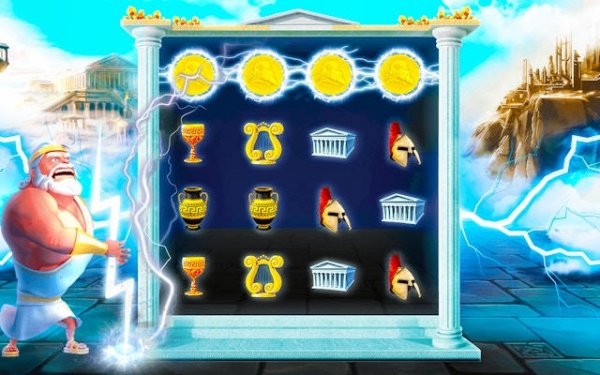
Greek Gods Match Puzzle invites players into a mythological world where they assist Zeus in protecting Olympus. This match-3 puzzle game combines classic tile-matching mechanics with a Greek mythology theme. Players journey through various levels, each presenting unique challenges, and aim to clear the board by matching sacred symbols. The game offers a family-friendly experience that blends strategy with an engaging mythological setting, making it suitable for quick sessions or extended play.
How to Play
Players typically tap or click on groups of three or more matching symbols to remove them from the board. The objective is to clear the board or achieve specific level goals. Power-ups, such as a lightning bolt, may be available to instantly match items and trigger chain reactions. Strategic planning is important, as each move can affect the board layout. The game is easy to learn, with increasing difficulty as players progress through levels.
Game Features
The game features a mythological theme centered on Greek gods and sacred symbols. It includes classic match-3 puzzle gameplay with strategic elements. Players can expect a variety of levels, each with distinct challenges. The game is designed to be accessible for all ages, offering both quick play and longer gaming sessions. Power-ups and chain reactions add depth to the puzzle-solving experience.
Tips for Success
Focus on creating large matches to trigger chain reactions and clear more symbols. Plan your moves ahead to avoid getting stuck. Use power-ups wisely, especially when facing challenging level objectives. Practice regularly to improve your pattern recognition and strategic thinking. Pay attention to the specific goals of each level, as they may require different approaches.







Comments
0 comments