
Core Gameplay Loop
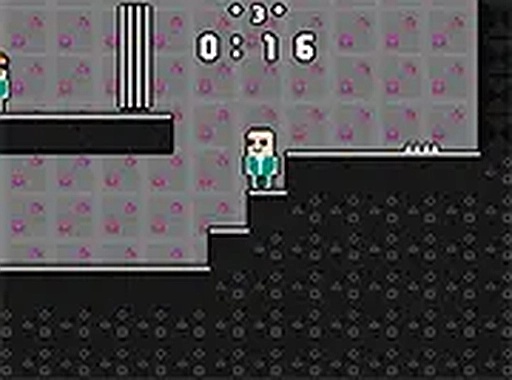
In Team Rescue: Cooperative Ocean Quest, the primary objective is to gather a set number of points across each stage before the timer expires. Two players control distinct characters, each with their own keyboard controls. Success hinges on constant communication and precise timing. Certain sections require one player to activate a mechanism while the other navigates through a newly opened path. This push-and-pull dynamic forms the heart of the experience, encouraging players to discuss their next moves and adapt to evolving challenges.
Level Structure and Progression
Each level presents a fresh obstacle course filled with moving barriers, gaps, and collectible items. Early stages introduce basic coordination tasks, allowing players to get comfortable with the controls and communication rhythm. As the game progresses, the courses become more intricate, with additional hazards and tighter time limits. The variety in layout keeps the gameplay from feeling repetitive, as each new area demands a different approach to teamwork.
Visual Design and Accessibility
The game features bright, colorful visuals that make each environment easy to read at a glance. Characters and obstacles are clearly defined, which helps players quickly identify what actions are needed. The interface is straightforward, with on-screen timers and point counters that are always visible. No downloads or installations are required, and the game runs smoothly on both desktop and mobile browsers. A full-screen option is available for those who prefer a more focused view.
Communication and Strategy
Effective communication is the key to mastering Team Rescue: Cooperative Ocean Quest. Players must discuss who will trigger switches and who will collect items, often switching roles between levels to find the most efficient route. Learning the pattern of each obstacle course allows teams to shave seconds off their completion time. The game rewards patience and careful planning, as rushing often leads to mistakes that cost valuable seconds on the clock.
Replay Value and Skill Growth
Because the game relies on two-player coordination, each session can feel different depending on the partners involved. Teams can replay levels to improve their scores and try alternative strategies. The sense of accomplishment when a difficult stage is completed through seamless cooperation is a strong motivator to keep playing. The straightforward controls mean that players of any age can pick it up quickly, but the later levels provide a satisfying challenge for those who enjoy testing their coordination skills.









Comments
0 comments