
Core Gameplay Loop
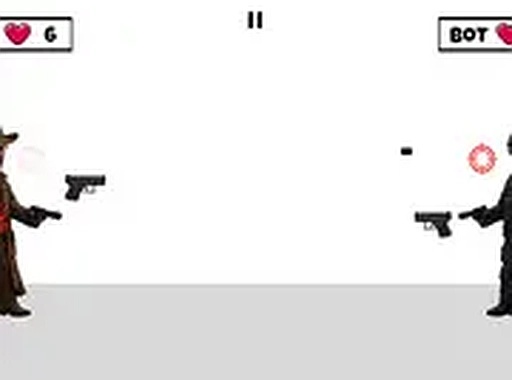
Quick Reflex Duel strips away all distractions to focus on a single challenge: who can respond first to a visual signal. Each round begins with both players waiting for a cue to appear on screen. The moment it shows, each participant must tap or click their assigned area as quickly as possible. The game records which player reacted faster, and a new round begins immediately. This simple loop creates a pure test of concentration and speed, with no complex rules or controls to learn.
Competitive Modes
Players have two ways to compete. The single-device local mode lets two people sit side by side and face off using the same screen. This works well for quick challenges between friends or family members. For solo practice, a computer opponent provides consistent opposition. The AI adjusts its response timing to keep each round competitive, helping players gauge their own improvement over time. Both modes use the same straightforward rules, so switching between them is seamless.
Accessibility and Platform Support
Because the game runs entirely in a web browser, there is no software to install or update. It works on desktop computers, laptops, tablets, and smartphones. Touchscreen users tap directly on the target, while mouse users click. This broad compatibility means the game is always available wherever an internet connection exists. The interface uses large, clearly labeled buttons and a clean background, making it easy to see the signal regardless of screen size.
Session Structure and Pacing
Each round lasts only a few seconds, which encourages short, focused play sessions. The game does not require a long time commitment; a few rounds can fit into a coffee break or a wait in line. Players can choose to play a set number of rounds or continue indefinitely. The fast pace keeps the experience engaging without becoming repetitive, as each round starts fresh with no lingering effects from previous results.
Visual and Feedback Design
The visual style is intentionally minimal. A neutral background keeps the player's attention on the signal area. When a player responds, a clear visual indicator shows who tapped first, along with a running score tally. This immediate feedback helps players understand their performance without reading text or navigating menus. The color palette uses high-contrast elements to ensure the signal is visible in various lighting conditions, which is especially helpful on mobile devices.








Comments
0 comments